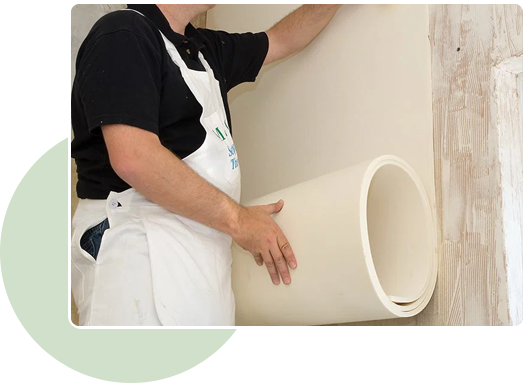
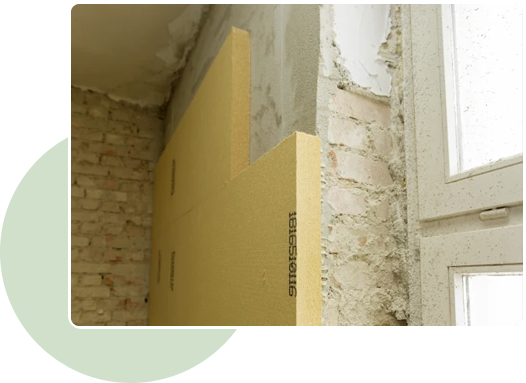
Internal wall insulation refers to the technique of enhancing a property’s energy efficiency by fitting an insulating layer onto the inner surfaces of the external walls. This approach significantly minimises heat loss which in turn helps maintain a warmer indoor environment during winter and a cooler one throughout the summer. It proves particularly beneficial for homes constructed with solid walls that lack a cavity space for traditional insulation methods. The process generally involves the installation of rigid insulation boards or the construction of stud walls that are then filled with appropriate insulating materials to achieve the desired thermal performance.
Internal wall insulation offers a range of advantages for homeowners seeking to improve energy efficiency and comfort. By preventing heat from escaping through the walls it helps to lower energy bills and keeps the indoor temperature more consistent throughout the day. This creates a more comfortable living environment all year round. In addition to warmth it also addresses issues such as condensation and dampness which are common in older properties. Another benefit is the added sound reduction which contributes to a quieter and more peaceful home. When installed correctly internal wall insulation can transform both the energy performance and overall atmosphere of your home.
If your property has solid walls or does not have cavity wall insulation, internal wall insulation could be the ideal choice. This option is especially suitable for older homes and those located in conservation areas where external insulation may not be appropriate. While it might lead to a slight reduction in room size, the improvement in energy efficiency and overall comfort tends to outweigh this minor inconvenience. Many homeowners may also qualify for financial assistance through schemes such as the Energy Company Obligation, which can help cover the cost of installation.