
Explore Air Source Heat Pumps (ASHP) and discover whether your home could benefit from a more efficient, lower-carbon heating solution.
At Eco Grants Expert, we help homeowners understand their heating options, available government support and the steps involved in moving towards a more energy-efficient home.
We have experience helping homeowners access support through the ECO4 scheme and with a range of heating and insulation improvements designed to make homes more energy efficient.
Our experience includes support with:
This experience allows us to help homeowners understand the different options available for improving the energy efficiency and heating performance of their homes.
A Lower-Carbon Way to Heat Your Home
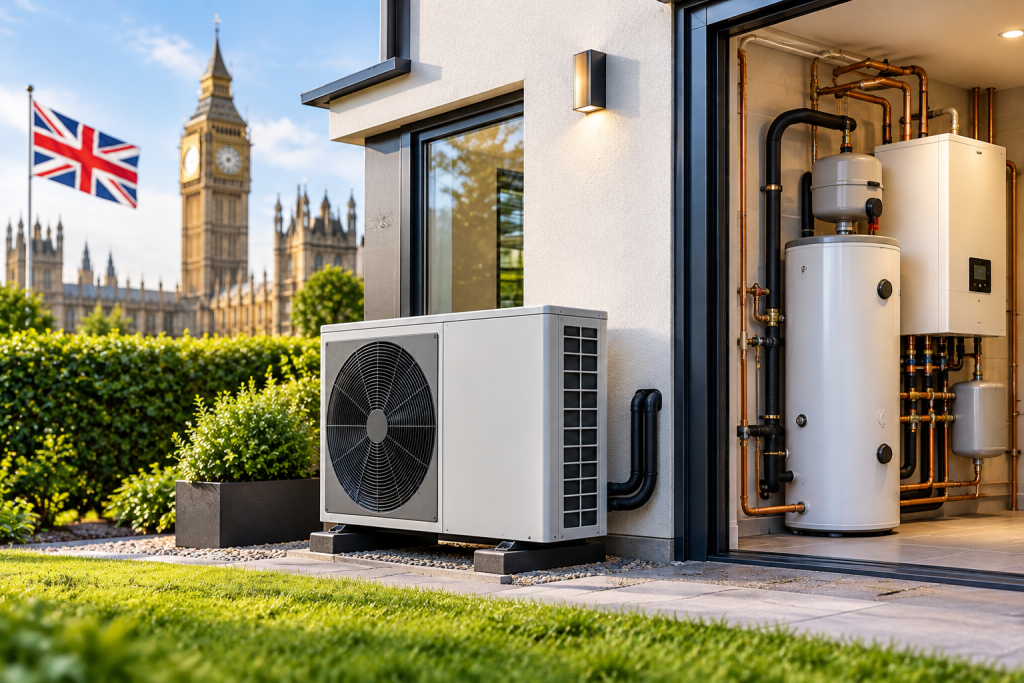
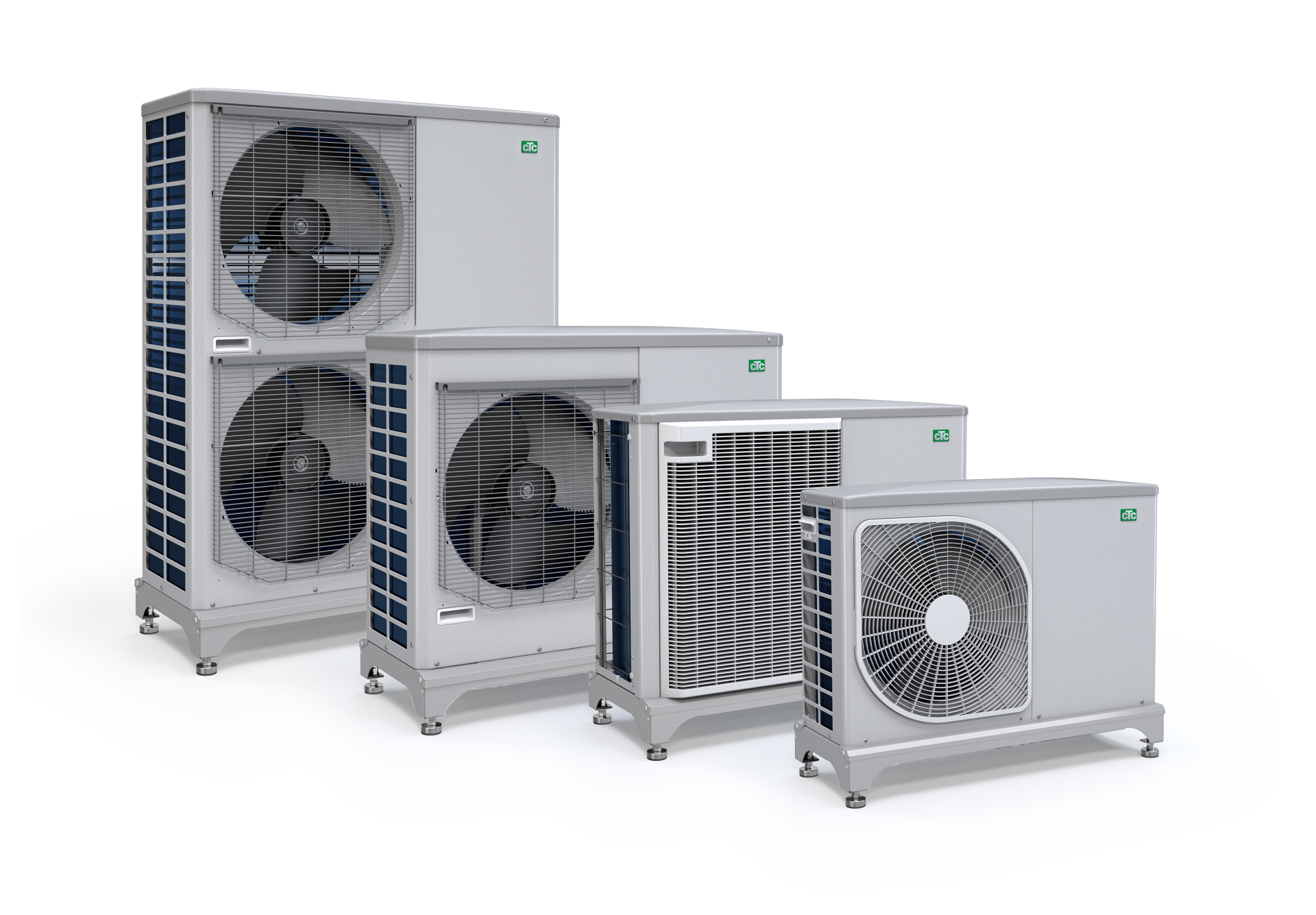
An Air Source Heat Pump (ASHP) is a low-carbon heating system that uses energy from the outside air to provide heating and, where designed to do so, hot water for your home.
Instead of burning gas, oil or another fuel to generate heat, a heat pump uses electricity to move heat from the outside air into your home.
Air Source Heat Pumps can provide an alternative to traditional heating systems and can help homeowners move towards a lower-carbon way of heating their property.
The Boiler Upgrade Scheme (BUS) is a UK Government scheme available in England and Wales that provides upfront grants towards eligible low-carbon heating installations.
For eligible properties, the current grant for an air-to-water heat pump is £7,500.
For eligible off-gas-grid properties replacing an oil or LPG heating system, the grant can be £9,000. The £9,000 uplift is available until 31 March 2027, subject to the scheme’s requirements.
The scheme also provides support for eligible air-to-air heat pumps, with a current grant of £2,500.
The grant is applied through an eligible installer, and the installer must meet the scheme’s certification and technical requirements.
Grant levels and eligibility requirements can change. Always check the latest government guidance before making a decision.

Understand ASHP systems, suitability and Boiler Upgrade Scheme support.
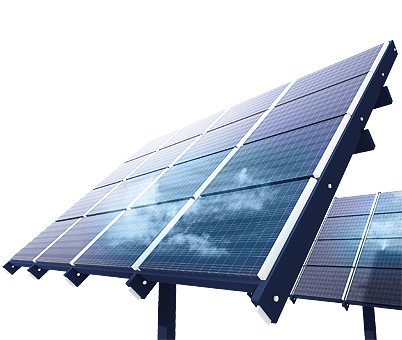
Explore solar photovoltaic systems and renewable electricity generation.
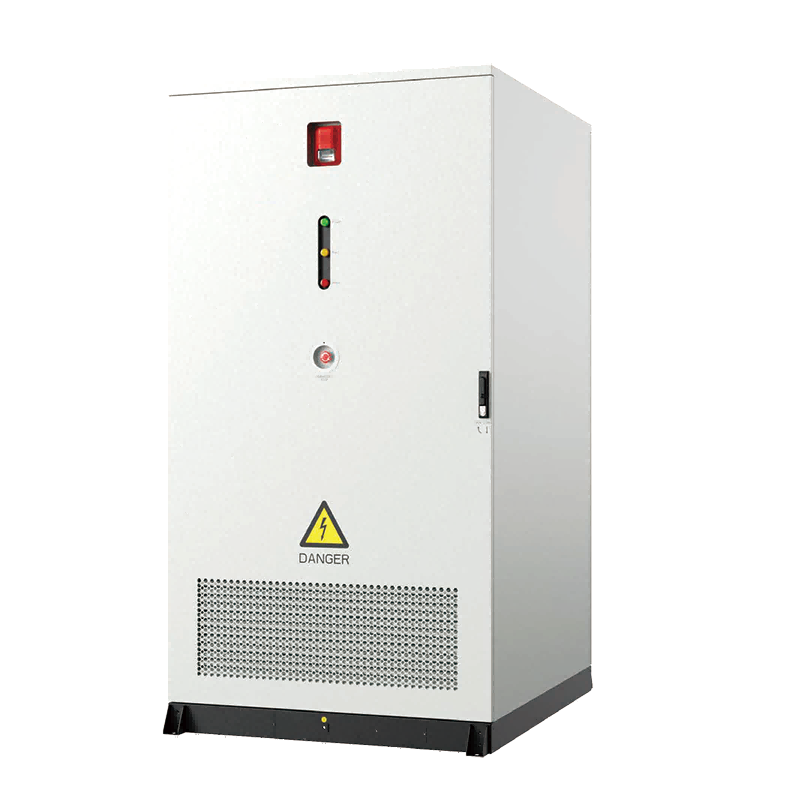
Learn how battery storage can store surplus solar electricity for later use.
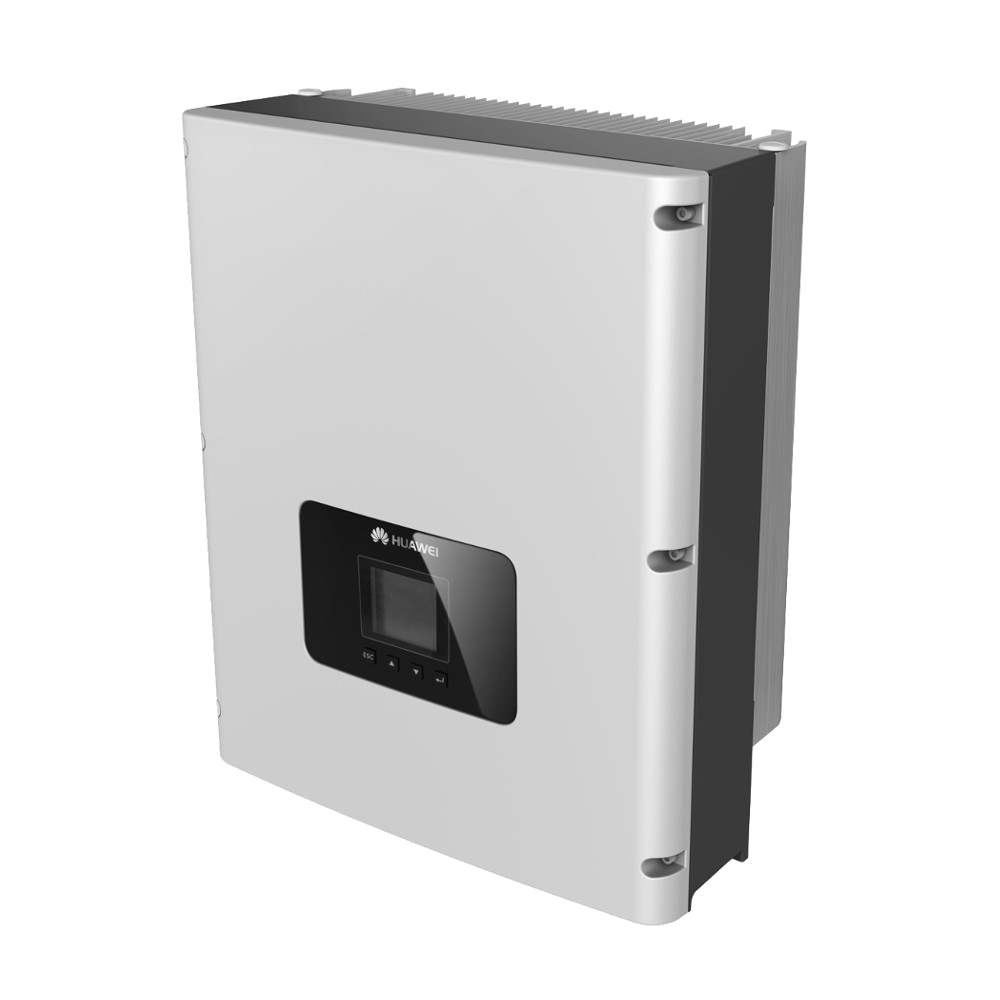
Understand the role of inverters in converting solar-generated DC electricity into usable AC electricity.
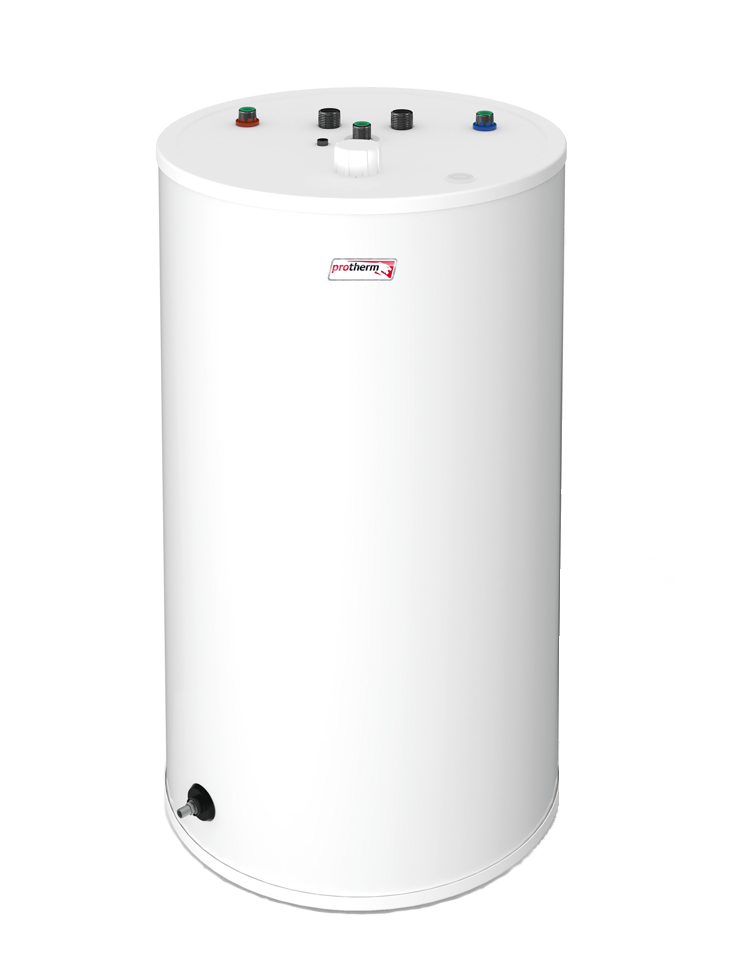
Explore heating options including boiler upgrades and A-rated combi boiler solutions.
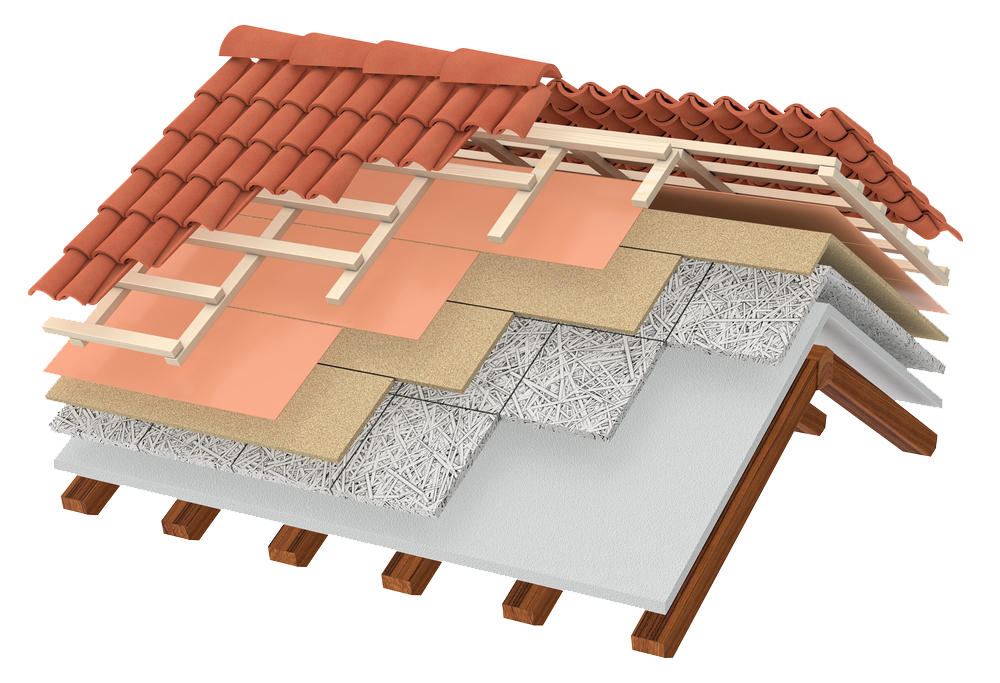
Improve your home's energy efficiency with suitable insulation solutions.

Explore central heating solutions designed to support comfortable and efficient home heating.
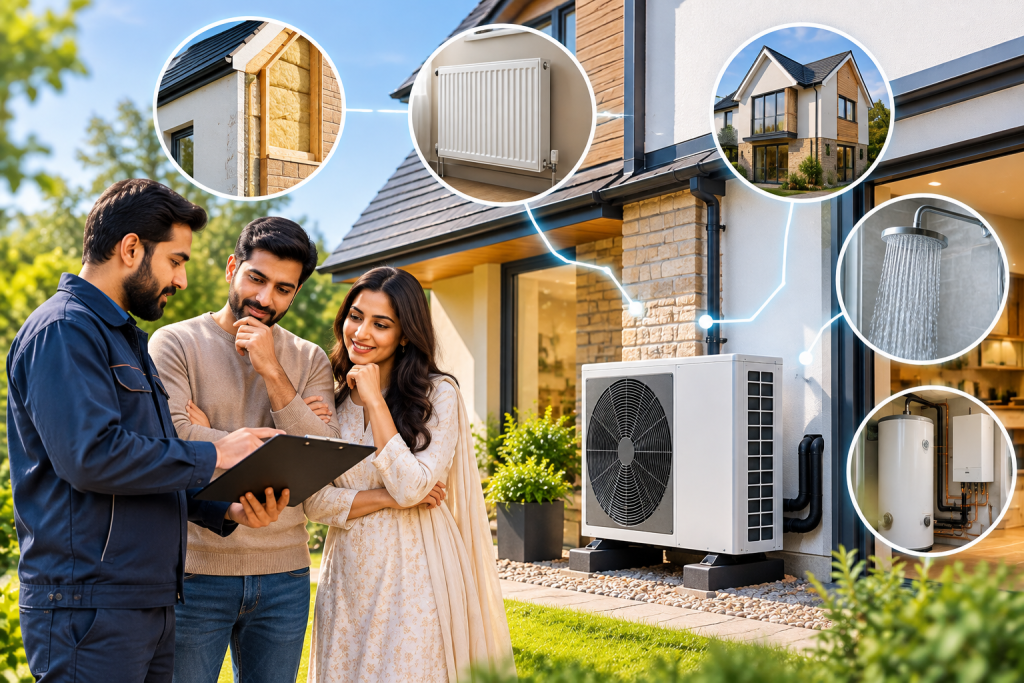
Every property is different.
Factors such as:
can affect whether an Air Source Heat Pump is suitable.
A professional assessment can help determine the most appropriate system for your property.
There is no single solution that is right for every property.
Your options may depend on:
Whether you are considering an Air Source Heat Pump, Solar PV, Battery Storage, Solar Inverter, Boiler, Insulation or Central Heating, getting professional advice can help you understand your options before making a decision.
Working Closely With North West Energy Grants Limited
We work closely with North West Energy Grants Limited, our installation partner and MCS-certified installer.
Where an Air Source Heat Pump installation is suitable and eligible, North West Energy Grants Limited can support the technical and installation side of the process.
MCS certification is an important requirement for eligible installations under relevant government support schemes, subject to the applicable scheme rules and property eligibility.
Your Journey to a More Energy-Efficient Home
We help you understand Air Source Heat Pumps and how they may work for your property.
We help you understand the relevant eligibility requirements and available government support.
Your property's heating requirements, existing system and suitability can be assessed.
We work closely with North West Energy Grants Limited, our MCS-certified installation partner.
Where appropriate and eligible, our installation partner can support the technical and installation process.
The aim is to help you make an informed decision about a suitable energy solution for your home.
Yes. Solar panels and heat pumps can work together because an Air Source Heat Pump uses electricity. Solar generation can help provide some of the electricity needed to operate the system.
The suitability of the combination depends on the property’s energy requirements and the design of both systems.
Eligible air-to-water heat pumps can qualify for support through the Boiler Upgrade Scheme in England and Wales, subject to the scheme’s eligibility and technical requirements.
The current standard BUS grant for an eligible air-to-water heat pump is £7,500, while certain eligible off-gas-grid properties may qualify for £9,000.
No.
The Boiler Upgrade Scheme is designed to support eligible low-carbon heating technologies. Solar PV is a separate technology and should not be presented as a BUS-funded measure.
Other funding, finance or export arrangements may be available depending on your circumstances.
Yes. Solar panels can still generate electricity on cloudy days, although generation is generally lower than during periods of strong sunlight.
No. A solar PV system can operate without battery storage.
However, a battery can allow you to store surplus electricity generated during the day and use it later, potentially helping you make greater use of your solar generation.
A solar inverter converts the DC electricity generated by solar panels into AC electricity that can be used by your home’s electrical system.
In many cases, a battery can be added to an existing solar PV system.
However, compatibility and system design need to be assessed by a qualified installer.
The appropriate option depends on your property, existing heating system, energy consumption and goals.
A professional assessment can help you understand which technologies may be suitable and whether you may qualify for available support.
Solar Panels, Batteries & Inverters Working Together
A complete solar energy system can combine all three technologies.
Solar Panels
Generate electricity from sunlight.
Solar Inverter
Converts the electricity generated by the panels into usable AC electricity.
Solar Battery
Stores surplus electricity for use later.
Together, these components can help you make greater use of the renewable electricity generated by your home.
Example:
Sunlight → Solar Panels → Inverter → Home
If there is surplus electricity:
Surplus Solar Energy → Battery → Stored Energy → Home Later
This can be particularly useful for households that use more electricity in the evening than during daylight hours.


© 2025 Eco Grants Expert | All Rights Reserved.